What is Structural Drafting?
Precision and clarity are essential in the construction and engineering industry. Every bridge, building, and industrial facility relies upon detailed plans for safe and efficient construction. One of the most significant elements of this activity is structural drafting: the art of completing detailed technical drawings that explain how a structure should safely be built, supported, and maintained.
What is structural drafting?
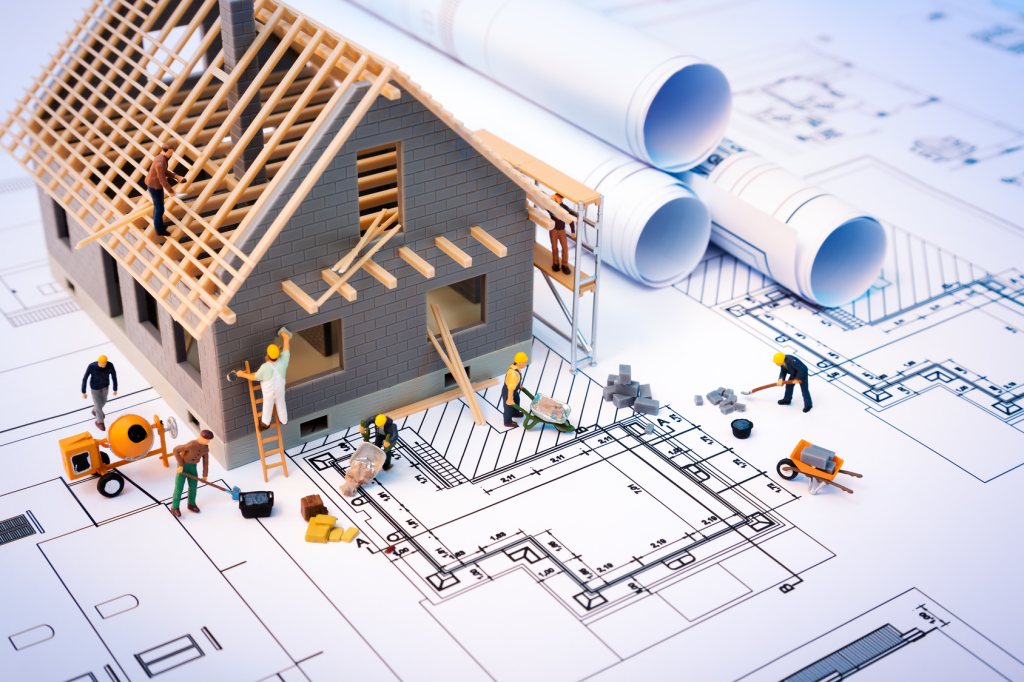
Structural drafting is the production of detailed drawings that illustrate the framework and support systems of a structure. Drawings are produced by drafters, who are often working with engineers and architects, in order to take complicated engineering designs and create a visual representation that builders and contractors can use on-site.
Unlike an architect’s drawings, which are design-oriented and focused on how a building will look or be laid out, structural drafting is focused on the project’s skeleton; specifically, the beams, columns, foundations, and reinforcements that keep the project in place and the public safe.
The Purpose of Structural Drafting
Structural drafting service serves several vital purposes in construction and engineering projects:
- Clarity in Communication Drafting offers a consistent visual communication language that allows all involved—engineers, contractors, and builders—to understand the design intent accurately.
- Accuracy and Compliance Drawings assist in on-site accuracy to ensure that dimensions, materials, and load requirements are met, as well as building code and safety regulation compliance.
- Efficiency in Construction Drafting typically improves on-site accuracy, leading to less rework and fewer delays during construction. This promotes efficiency by providing workers with clear instructions on procedures and how the building is constructed.
- Safety and Reliability It ensures that a strong design is translated properly into a method of construction instructions to minimize the risk of failure as a result of construction shortcomings.
Key Components of Structural Drafting
While structural drawings typically contain various different information in detail:
- Foundation plans show how the structure is supported per the ground level. Supporting elements detailing footings, piles, or slabs.
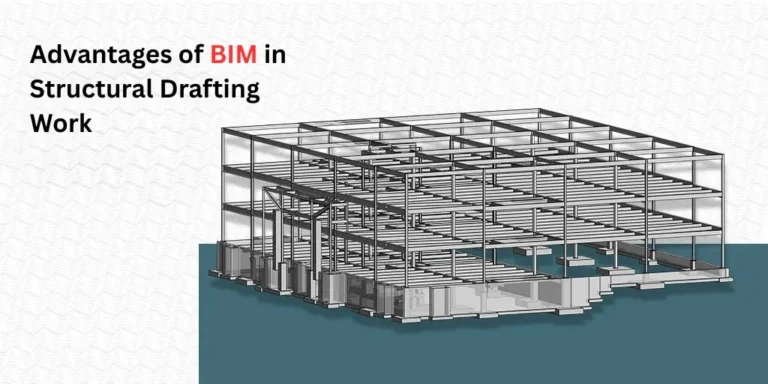
- Framing plans show the location and types of beams, trusses, and columns.
- Reinforcement Details include steel reinforcement in concrete structures.Cross sections and elevations show various views of the structure by detailing connections and structural support systems.
- Material Specifications include material specifications of steel, concrete, timber, or other grades.
Together, these components ensure builders know not only what to construct but also how materials interact to provide strength and durability.
Tools and Technology in Structural Drafting
In the past, structural drafts were simply created by drafting by hand on a large sheet of paper. Nowadays, this has changed enormously with the introduction of computer-aided design (CAD) and building information modeling (BIM) software. These computer packages have improved accuracy and ease in revising these working drawings and the overall design process with three-dimensional visual imagery.
BIM has, in particular, changed the industry with real-time sharing of information between design teams, as architects, engineers, and contractors can all reference and comment on the structural models and plans together. The structural drawings can be considered full working drawings, including structural elements within architectural and mechanical plans and specifications, adding efficiencies and overall cost and time savings by reducing conflicts during construction.
The Role/Responsibilities of a Structural Drafter
The structural drafter is a competent professional who collaborates with engineers to develop their technical drawings. Technical drafters must:
- Have knowledge of materials and engineering principles.
- Have proficient computer-aided design and drafting programs.
- Pay close attention to the details and components that may add to construction costs if misinterpreted.
- Interpret complicated calculations, drawings, and analyses of engineering and convert them to working, final plans to be used to construct designs.
The structural drafter’s role sees them transitioning from a technical to a creative role, attempting to conceptualize and display the design in the clearest or most functional representation.
Importance in Modern Construction
The practice of structural drafting is essential in present-day construction, where projects are often large, complex, and subject to rigorous regulatory standards. Whether it be a skyscraper, a bridge, a factory, or a residential building, precision drafting allows building designers to ensure that the structures are safe, efficient, and will stand the test of time.
Structural drafting aids with sustainability. Providing accurate specifications for building structures leads to reduced material waste and assists with sustainable building practices.
To conclude, structural drafting represents more than just technical drawing; it is the skeletal system of any safe and successful construction project. Drafting for structure serves as a bridge between engineering design and the construction site by providing clarity, precision and adherence to the previously established specifications. The advancement of technology will mold the future of design and construction, but structural drafting will remain at the center.