The Role of Structural Drafting in Industrial Construction Projects
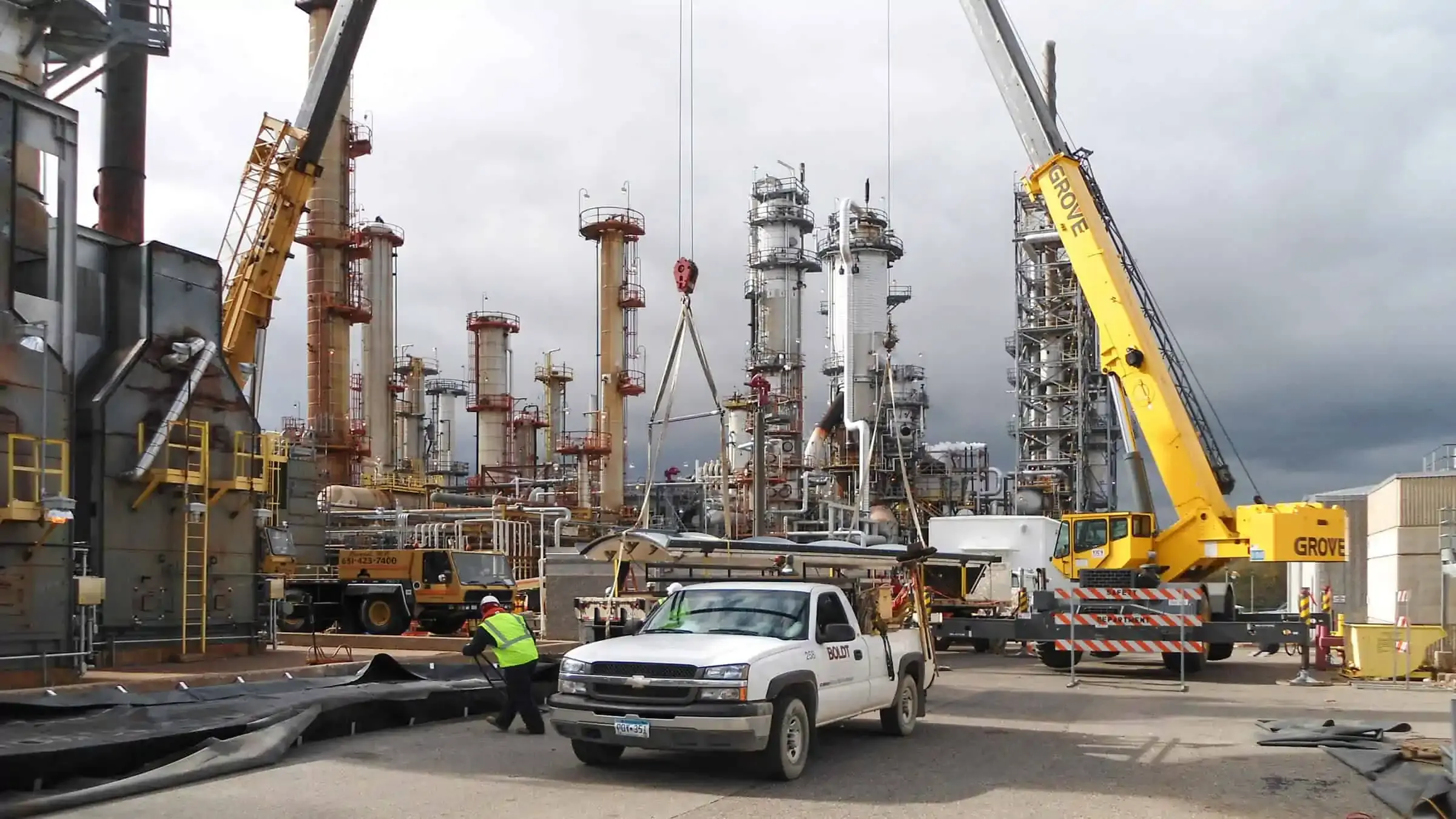
When you look at a power plant, a refinery, or even a massive manufacturing facility, it’s easy to admire their size and strength. But behind every strong industrial structure lies something less visible yet absolutely essential — structural drafting. It’s the backbone of every project, turning ideas and engineering concepts into precise drawings that builders can actually use on-site.
What Exactly Is Structural Drafting?
Think of structural drafting as the language that connects engineers, architects, and construction teams. It’s the process of creating detailed drawings that show exactly how a building or industrial facility will be built — right down to the last bolt and beam.
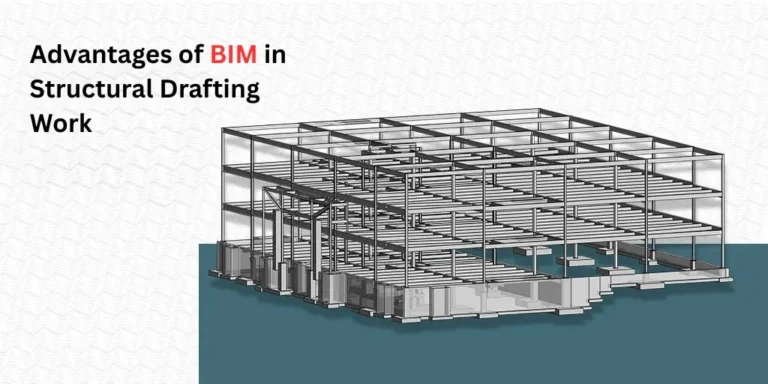
These drawings highlight load-bearing structures like columns, foundations, trusses, and beams. In modern times, professionals use advanced software such as AutoCAD and Revit to produce accurate, 3D designs that leave little room for guesswork.
Why It’s So Important in Industrial Construction
Industrial projects aren’t like regular buildings. They’re bigger, more complex, and built to handle extreme loads, heat, and vibrations. That’s where structural drafting makes a difference.
1. Turning Ideas into Reality
Every industrial project starts with a concept, but it’s the structural drawings that bring it to life. Drafting ensures that every detail — from the layout of heavy machinery to the placement of steel supports — is properly planned before construction begins.
2. Ensuring Accuracy and Safety
In industries where one small error can lead to major safety risks, precision is everything. Structural drafting helps engineers test how materials and structures will perform under real-world conditions. It also ensures compliance with strict industry standards and safety codes.
3. Smoother Fabrication and Assembly
Accurate drafts help fabricators know exactly what to make and how it fits into the bigger picture. This minimizes material waste, reduces delays, and keeps everyone — from welders to site managers — on the same page.
4. Saving Time and Money
By identifying potential design issues early, structural drafting prevents costly mistakes during construction. It’s much cheaper to fix a drawing than to fix a steel beam after it’s installed.
The Role of Technology in Modern Structural Drafting
Today, structural drafting isn’t just about 2D drawings. Thanks to BIM (Building Information Modeling) and advanced CAD tools, engineers can create interactive 3D models that simulate how a structure will behave over time. This digital approach improves collaboration, reduces rework, and ensures a longer lifespan for industrial infrastructure.
Summary: Structural drafting is more than just drawing lines on a screen — it’s about building confidence, accuracy, and safety into every industrial project. From refineries to factories, it ensures that every structure can handle the demands of modern industry. Without it, the entire construction process would be like navigating without a map.